Watching Albania emerge from decades of isolation to become a major tourist destination has been both heartening and unsettling. Its growing reputation is deserved: few places offer its dramatic mix of mountain landscapes and pristine beaches.
But the rapid rise in tourism has also brought higher costs for local people, mounting pressure on the environment and growing public anger, reflected in current protests that challenge the government's decision to open up a formerly protected area to high-end beachfront development. However, on a recent journey through Albania’s northern mountains, I witnessed how tourism can expand without eroding the very places and communities that draw visitors in.
Travel to Albania re-entered my life in the early 2000s, just after the Kosovo War ended and my family was able to visit the region from London. Every summer, we would arrive in Prishtina, the capital of Kosovo and the hometown I left in the mid-1990s – before heading to the Albanian mountain regions or northerly seaside towns.
Back then, journeys were not easy. It felt treacherous. In the dead of night, we'd spend over 13 hours winding through unpaved, rugged roads, betting on whether the back wheels would make it around the bends. En route, you’d be lucky to find a gritty coffee or rock-hard kifle (cheese-stuffed pastry). Border control felt oppressive; stern faces cautiously checking documents of coaches full of passengers for what felt like hours. So close to the war, there were still so many unknowns about what was safe (landmines weren’t fully cleared across the mountains connecting Kosovo and Albania until 2009).
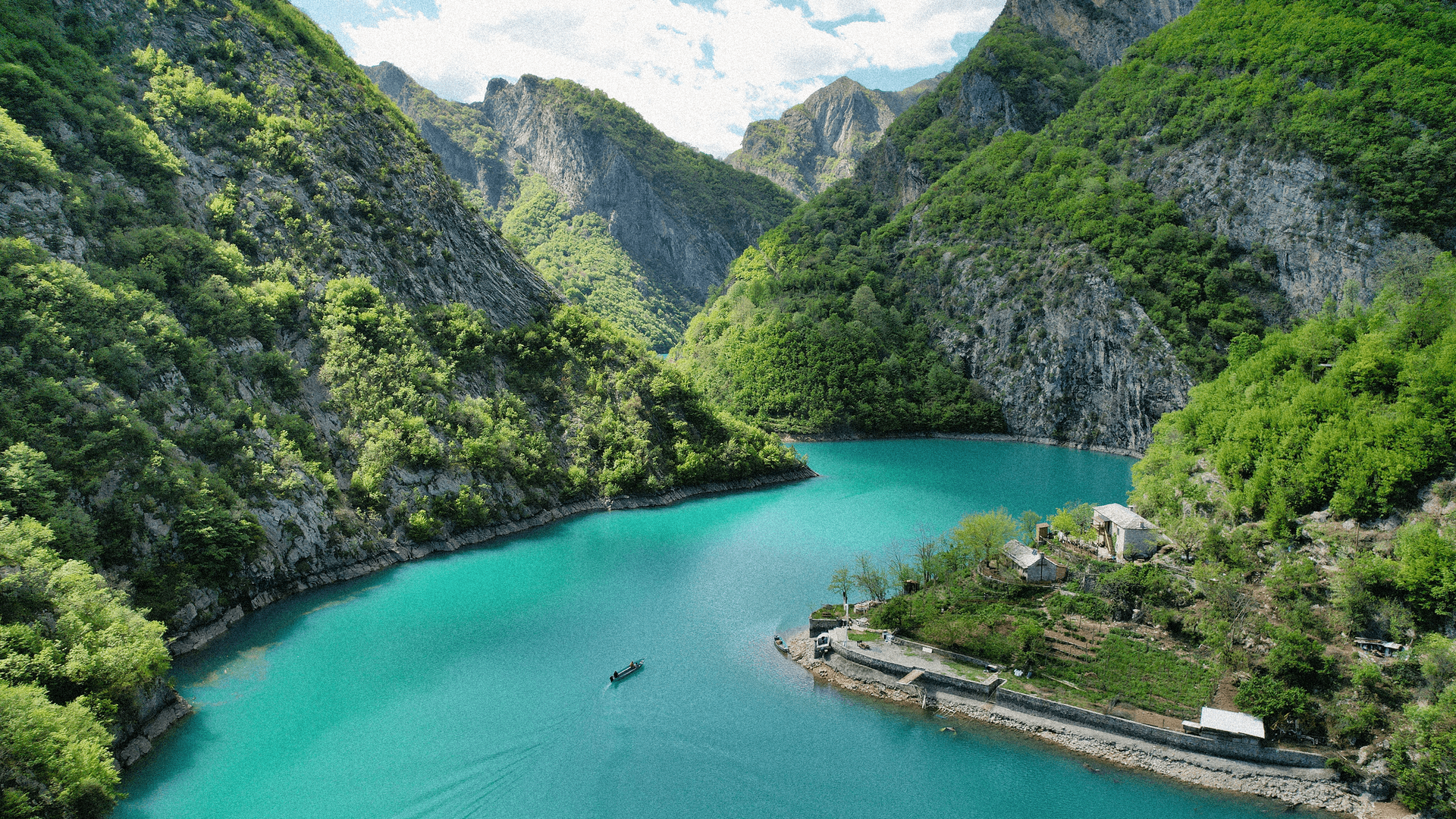
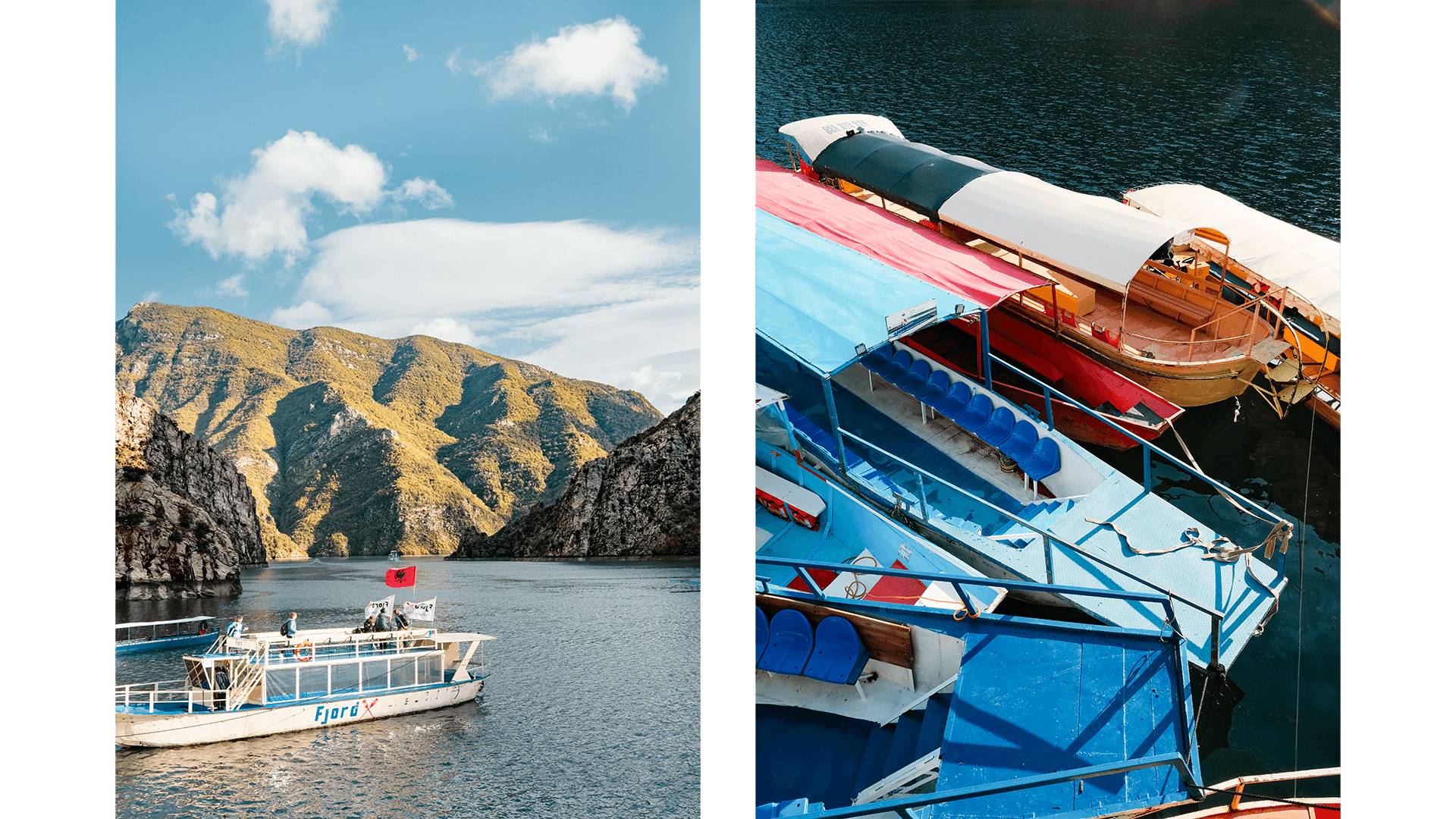
Revisiting the routes I would have passed in my teens today, the difference is stark. Traversing the Albanian Alps and Sharr Mountains, I find myself on new roads that have replaced dirt tracks to mountain villages. I discover car ferries to shoot me down the River Shala and zip along motorways that link cities in a fraction of the time it used to, connecting two peoples who culturally see themselves as the same. In areas that once felt impossibly remote, guesthouses come in all shapes and sizes, while marked trails guide me through some of the wildest alpine views in Europe: dramatic mountains, blue-green rivers and vast forests.
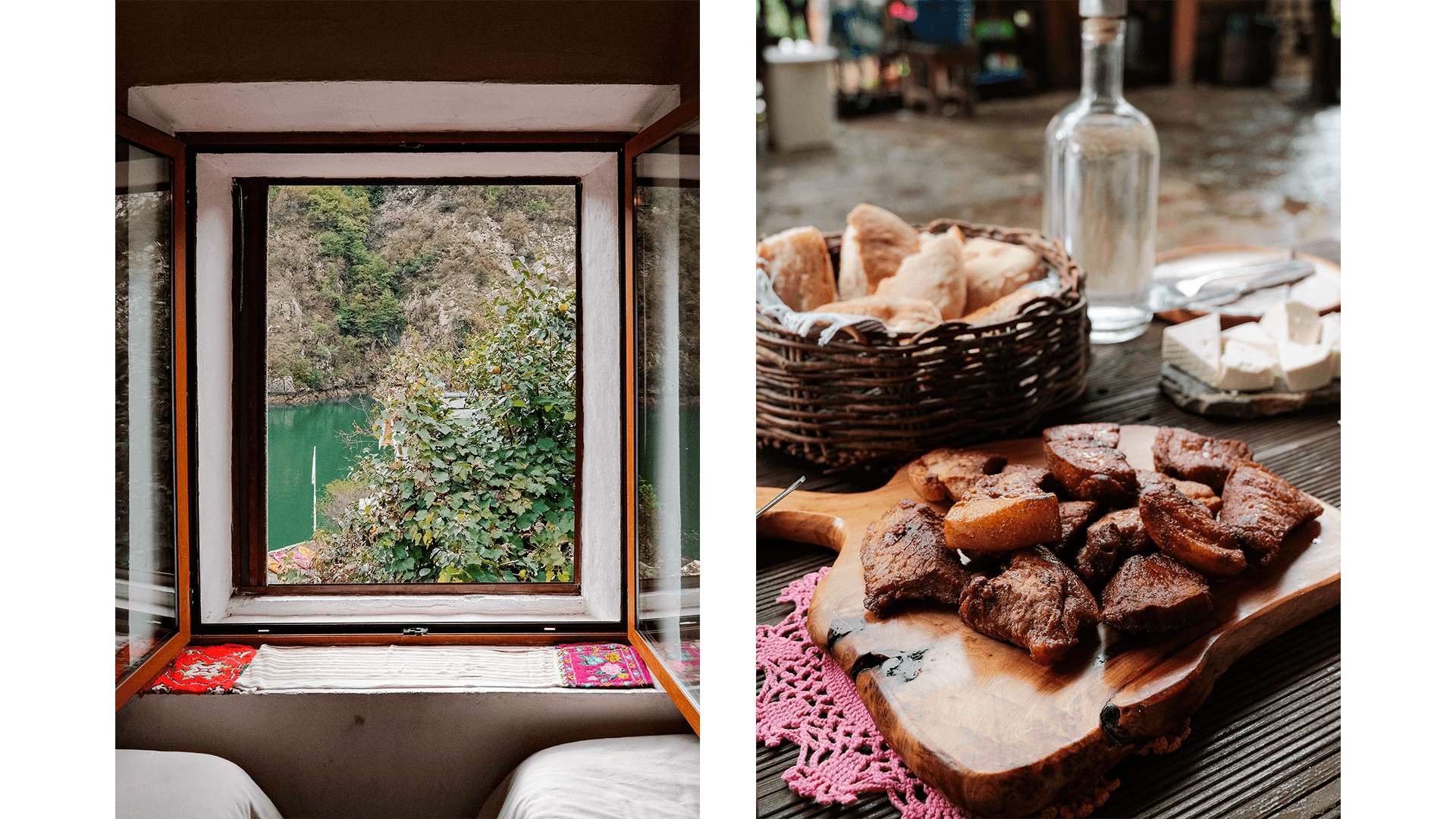
While the scale and speed of the development in Albania can feel unnerving, the northern mountains have a different energy to the bustling beaches of the south. Travel here feels slower, more adventurous, connected to the land and its local people. Nowhere is that better encapsulated than at Neomalsore, a family-run guesthouse nestled between mountain peaks and the emerald waters of the Komani Lake.
I take a one-hour water taxi, one of two that depart each day from the Koman ferry terminal, and am greeted at Neomalsore by founder Marjana Koçeku, who, at 24, became Albania’s youngest MP last year. Marjana’s story says so much about change in Albania. After studying abroad, she set up the sustainable farmstay in her childhood home to host travellers who want to experience traditional Albanian mountain hospitality.
My time here centres around the family’s daily rhythms: farming, scenic hikes, fishing and canoeing. I eat local fish cooked by Marjana’s mother, play with the family’s pets and hang out like the place was my own. Navigating the subtle dialect differences between us, Marjana tells me how, before a dam project created the Komani lake in the 1980s and made the home accessible by boat, her mum would have to walk for two days to get supplies. For Marjana, who quit Prime Minister Edi Rama’s socialist party in June 2026 amid the protests, the future of Albania embraces the modernisation that has made Neomalsore possible, but also protects the nature that enables it.
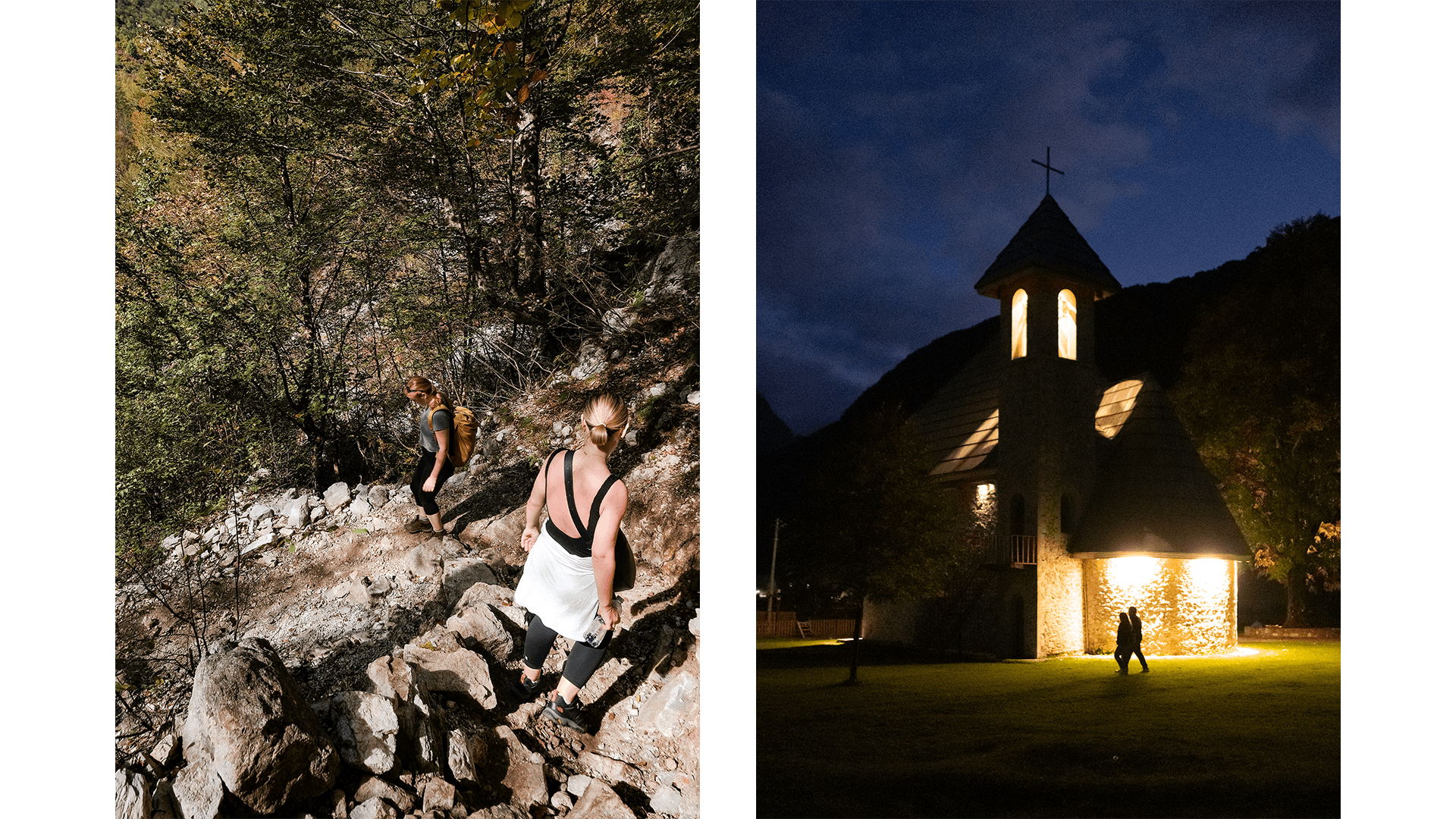
Elsewhere in the area (known as Shkodër County), I visit the small medieval village of Theth. Punctuated by a stone church, it reminds me of scenes from Broken April by Ismail Kadare, perhaps Albania’s greatest modern novelist, whose book gives a glimpse into the past, where a strict tribal code of conduct named the Kanun ruled North Albania and Kosovo for centuries. Today Theth features a string of cabins and guesthouses such as Molla, a stone house reminiscent of the setting in Kadare’s book, now a boutique hotel with pastoral views on its doorstep.
Molla is focused on slow travel. It serves up homegrown pickles, cheeses and coal-cooked meats. I spent my time eating roast lamb, drinking local plum raki, and listening to people have conversations in German, English and Arabic – amused at how I used to have to point the country out on a map for people. The guesthouse is a perfect jumping-off point for many of the natural wonders of the region. A shuttle bus near Molla takes me to the Blue Eye (not to be confused with a popular destination of the same name near the southern resort of Sarandë) – a natural, bright blue-green water spring nestled in Kaprre Valley, while the Valbona Pass leads hikers between Theth and Valbona on a seven-hour hike into the heart of the Albanian Alps.
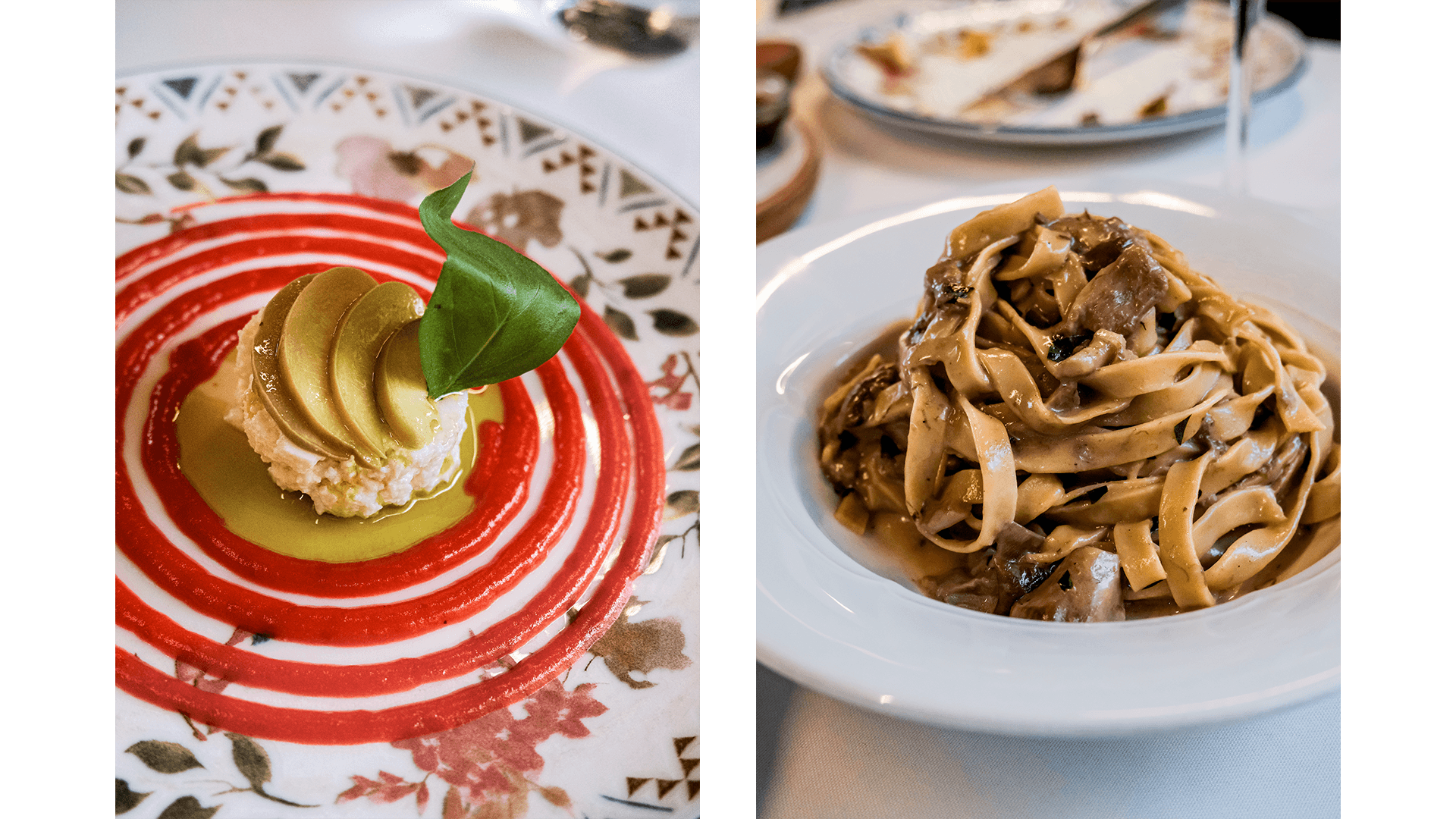
An AIbanian icon of slow food can also found in the north, below Theth, in the region of Lezhë. Mrizi i Zanave is a restaurant, winery, farm and hotel that works with more than 400 local families to produce and supply ingredients. The food is so good there that I visit twice, lured by a fresh savoury blueberry pasta that’s unlike anything I’ve tasted, served up alongside burek, cornbread and sarma. For a region where fine dining has only entered the discourse in the last couple of decades, Mrizi i Zanave feels significant – especially given founder Altin Prenga’s mission to provide local people work – growing vegetables, raising livestock – in a way that has proven sustainable for centuries.
While North Albania is not immune to the property disputes that have led to the current protests, thanks to a handful of local overseers, it’s a place where past and present can live side by side. At a time when major resorts threaten to take over the coastline, its mountainous regions serve as hope that an alternative vision of tourism in Albania is possible; one that works in closer harmony with its communities, nature and culture.
There’s More – Delve Deeper Into Lea Ypi’s Free With The Service95 Book Club...
WATCH Dua’s interview with Free’s author Lea Ypi
READ the books that shaped Lea Ypi’s writing
LISTEN to a playlist picked by Lea Ypi to soundtrack Free from start to finish
BOOKMARK five moments from Albania's recent past that put Free in context
DISCOVER our photo essay charting how communism left its mark on Albania’s landscapes
GO FURTHER with 11 books and films that capture the complexities of political upheaval